

 Posts
Posts


Showing posts with label ഓണം. Show all posts
Showing posts with label ഓണം. Show all posts
Onam Greetings 2015 ഓണം ഓണാഘോഷം Onam Wallpaper Onam Greetings SMS Quotes WhatApp Facebook Cover

ഓണം Onam മലയാളികളുടെ ദേശീയോത്സവമാണ്. ലോകത്തിന്റെ നാനാഭാഗത്തുമുള്ള മലയാളികള് ജാതിമത ഭേദമന്യേ ഈ ഉത്സവം ആഘോഷിക്കുന്നു. ഓണം സംബന്ധിച്ച് പല ഐതീഹ്യങ്ങളും ചരിത്രരേഖകളും നിലവിലുണ്ടെങ്കിലും ഓണം ആത്യന്തികമായി ഒരു വിളവെടുപ്പുത്സവമാണെന്ന് കരുതിപ്പോരുന്നു. ചിങ്ങമാസത്തിലെ അത്തം നക്ഷത്രം മുതല് തുടങ്ങുന്ന ഓണാഘോഷം തിരുവോണം നാളില് പ്രാധാന്യത്തോടെ ആഘോഷിക്കുകയും ചതയം നാള് വരെ നീണ്ടു നില്ക്കുകയും ചെയ്യുന്നു.

തൃക്കാക്കരയാണ് ഓണത്തപ്പന്റെ ആസ്ഥാനം. അവിടെയാണ് ആദ്യമായി ഓണാഘോഷം നടത്തിയത് എന്നാണ് ഐതിഹ്യമെങ്കിലും അതിനേക്കാള് വളരെ മുന്പ് തന്നെ തമിഴ് നാട്ടിലും മറ്റും ഓണാഘോഷം നടന്നിട്ടുള്ളതായി സംഘ കൃതികള് വെളിപ്പെടുത്തുന്നു. സംഘകാലകൃതിയായ 'മധുരൈകാഞ്ചി 'യിലാണ് ഓണത്തെക്കുറിച്ചുളള (ഇന്ദ്രവിഴാ) ആദ്യ പരാമര്ശങ്ങള് കാണുന്നത്. കാലവര്ഷം കഴിഞ്ഞ് മാനം തെളിയുന്ന ഈ കാലത്താണ് വിദേശകപ്പലുകള് പണ്ട് സുഗന്ധദ്രവ്യ വ്യാപാരത്തിനായി കേരളത്തില് കൂടുതലായി അടുത്തിരുന്നത്. അങ്ങനെ സ്വര്ണ്ണം കൊണ്ടുവരുന്ന ഈ മാസത്തെ പൊന്നിന് ചിങ്ങമാസമെന്നും ഓണത്തെ പൊന്നോണമെന്നും വിളിക്കാനുള്ള കാരണമതാണ്. കേരളത്തില് വിളവെടുപ്പിനേക്കാള് അതിന്റെ വ്യാപാരത്തിനായിരുന്നു പ്രാധാന്യം എന്നതാണ് ഇന്ദ്രവിഴയും ഓണവും തമ്മില് ഉണ്ടായ വ്യത്യാസത്തിനു കാരണം.

തൃക്കാക്കരയാണ് ഓണത്തപ്പന്റെ ആസ്ഥാനം. അവിടെയാണ് ആദ്യമായി ഓണാഘോഷം നടത്തിയത് എന്നാണ് ഐതിഹ്യമെങ്കിലും അതിനേക്കാള് വളരെ മുന്പ് തന്നെ തമിഴ് നാട്ടിലും മറ്റും ഓണാഘോഷം നടന്നിട്ടുള്ളതായി സംഘ കൃതികള് വെളിപ്പെടുത്തുന്നു. സംഘകാലകൃതിയായ 'മധുരൈകാഞ്ചി 'യിലാണ് ഓണത്തെക്കുറിച്ചുളള (ഇന്ദ്രവിഴാ) ആദ്യ പരാമര്ശങ്ങള് കാണുന്നത്. കാലവര്ഷം കഴിഞ്ഞ് മാനം തെളിയുന്ന ഈ കാലത്താണ് വിദേശകപ്പലുകള് പണ്ട് സുഗന്ധദ്രവ്യ വ്യാപാരത്തിനായി കേരളത്തില് കൂടുതലായി അടുത്തിരുന്നത്. അങ്ങനെ സ്വര്ണ്ണം കൊണ്ടുവരുന്ന ഈ മാസത്തെ പൊന്നിന് ചിങ്ങമാസമെന്നും ഓണത്തെ പൊന്നോണമെന്നും വിളിക്കാനുള്ള കാരണമതാണ്. കേരളത്തില് വിളവെടുപ്പിനേക്കാള് അതിന്റെ വ്യാപാരത്തിനായിരുന്നു പ്രാധാന്യം എന്നതാണ് ഇന്ദ്രവിഴയും ഓണവും തമ്മില് ഉണ്ടായ വ്യത്യാസത്തിനു കാരണം.
ഓണാശംസകള്

Onam ഓണം is the largest festival in the Indian state of Kerala. It falls during the month of Chingam (August–September) and marks the homecoming of the legendary Emperor Mahabali.

Significance
Onam is an ancient festival which still survives in modern times. Kerala's rice harvest festival and the festival of rain flowers, which fell on the Malayalam month of Chingam, celebrated the Demon King Mahabali's annual visit from Patala (the underworld). Onam is unique since Mahabali has been revered by the people of Kerala since prehistory.
According to the legend, Kerala witnessed its golden era during the reign of King Mahabali. Everybody in the state was happy and prosperous and the king was highly regarded by his subjects, so much so that even the gods under Indra became jealous of Mahabali, and they approached Mahavishnu claiming that Mahabali is now equivalent to an Indra. Since a world with two Indras represents imbalance, Mahavishnu assumed the form of a dwarf: the Vamana avatara had tricked him to Patala. However, as Mahabali was equivalent to an Indra, he had to wait until the next Yuga where he would be the Indra. In the meantime, with the grace of Mahavishnu, Mahabali visited his people on an annual basis. Mahavishnu served Mahabali as a gatekeeper in Patala as the Lord himself serves his greatest devotees.

It is this visit of Mahabali that is celebrated as Onam every year. People celebrate the festival in a grand way and impress upon their dear King that they are happy and wish him well.
The rich cultural heritage of Kerala comes out in its best form and spirit during the ten-day festival. The central feature of Onam is the grand feast called Onasadya, prepared on Thiruonam. It is a nine-course meal consisting of 11 to 13 essential dishes. Onasadya is served on banana leaves and people sit on a mat laid on the floor to have the meal.
Another popular feature of Onam is Vallamkali, the Snake Boat Race, held on the Pamba River, in which decorative boats oared by hundreds of boatmen race amidst chanting of songs and cheering by spectators and viewers.

There is also a tradition to play games, collectively called Onakalikal, on Onam. Men go in for rigorous sports like Talappanthukali (played with a ball), Ambeyyal (Archery), Kutukutu and combats called Kayyankali and Attakalam. Women indulge in cultural activities. They make intricately designed flower mats called, Pookalam in the front courtyard of the house to welcome King Mahabali. Kaikotti kali and Thumbi Thullal are two dances performed by women on Onam. Folk performances like Kummatti kali and Pulikali add to the zest of celebrations.
Mahabali's rule is considered the golden era of Kerala.

| “ | maveli nadu vaneedum kalam, manusharellarum onnupole amodhathode vasikkum kalam apathangarkkumottillathanum kallavum illa chathiyumilla ellolamilla polivachanam kallapparayum cherunazhiyum kallatharangal mattonnumilla adhikal vyadhikalonnumilla balamaranangal kelppanilla | ” |
(Translation)
| “ | When Maveli, our King, ruled the land, All the people were equal. And people were joyful and merry; They were all free from harm. There was neither anxiety nor sickness, Deaths of children were unheard of, There were no lies, There was neither theft nor deceit, And no one was false in speech either. Measures and weights were right; No one cheated or wronged his neighbor. When Maveli, our King, ruled the land, All the people formed one casteless races | ” |
The legend
Mahabali was the grandson of Prahlad (son of Hiranyakashyap who was slain by Vishnu in his Narasimha Avataram). Prahlad, despite being an Asura, had great faith in Vishnu. Mahabali learned the act of love and devotion to Lord Vishnu as a child, from Prahlad.
Mahabali conquers the three worlds
Kashyapa had two wives, Diti and Aditi, who were the parents of the demons and the gods (Asuras and Devas) respectively. Kashyapa, who had gone to the Himalayas to do penance, on his return found Aditi weeping. By divine insight, Kashyapa instantly recognised the cause of her grief. He tried to console her saying that nothing happens in the world without divine will and people should go on doing their duties. He asked her to pray to Vishnu and taught her Payovrata, a ritual that has to be observed from the 12th day of the bright half of Karthika (Sukla-paksha Dvadasi). Since Aditi carried out the Vrata with a pious heart, Vishnu appeared before her and informed her that he would help Indra.
Alternatively, the Devas were very annoyed as Mahabali became the ruler of all the three worlds having defeated the Devas. Devas, the celestial beings, were annoyed and jealous. The gods approached Vishnu and asked for his help. Vishnu said to the Devas that Mahabali is doing good things to his subjects and is eligible to become sura (devas). You devas should not be jealous about that. Being jealous would make you asuras. Vishnu decided to test Mahabali.
In the meantime, Mahabali was performing the sacrificial rite of the Viswajith Yagam or Aswamedha Yagam on the banks of the Narmada River. He also declared that he would give anything that anyone sought from him during this Yagam.

ഓണം സംബന്ധിച്ച് പല ഐതിഹ്യങ്ങളും ചരിത്രരേഖകളും നിലവിലുണ്ടെങ്കിലും ഓണം ആത്യന്തികമായി ഒരു വിളവെടുപ്പു അഥവാ വ്യാപാരോത്സവമാണെന്ന് കരുതിപ്പോരുന്നു.കേരളത്തിൽ ഓണം തമിഴ്നാട്ടിൽ നിന്നും സംക്രമിച്ചതാണെന്നാണ് വിദഗ്ദ്ധമതം. എല്ലായിടത്തും അത് ക്ഷേത്രോത്സവമായിട്ടായിരുന്നു തുടങ്ങിയതെങ്കിലും പിന്നീട് അത് ഗാർഹികോത്സവമായി മാറി.

ഒന്നിലധികം ഐതിഹ്യങ്ങളുള്ള ആഘോഷമാണ് ഓണം. പ്രധാന ഐതിഹ്യം മഹാബലിയുടെത് തന്നെ. അസുരരാജാവും വിഷ്ണുഭക്തനുമായിരുന്ന പ്രഹ്ലാദന്റെ പേരകുട്ടി ആയിരുന്നു മഹാബലി. മഹാബലി എന്ന വാക്കിനർത്ഥം 'വലിയ ത്യാഗം' ചെയ്തവൻ എന്നാണ്. ദേവൻമാരെപ്പോലുംഅസൂയപ്പെടുത്തുന്നതായിരുന്നു മഹാബലിയുടെ (മാവേലിയുടെ) ഭരണകാലം. അക്കാലത്ത് മനുഷ്യരെല്ലാവരും ഒരുപോലെയായിരുന്നു. കള്ളവും ചതിയും പൊളിവചനങ്ങളും ഇല്ലായിരുന്നു. എങ്ങും എല്ലാവർക്കും സമൃദ്ധിയായിരുന്നു. മഹാബലിയുടെ ഐശ്വര്യത്തിൽ അസൂയാലുക്കളായ ദേവൻമാർ മഹാവിഷ്ണുവിന്റെ സഹായം തേടി മഹാബലി 'വിശ്വജിത്ത്' എന്ന യാഗം ചെയ്യവേ വാമനനായിഅവതാരമെടുത്ത മഹാവിഷ്ണു ഭിക്ഷയായി മൂന്നടി മണ്ണ് ആവശ്യപ്പെട്ടു. ചതി മനസ്സിലാക്കിയ അസുരഗുരു ശുക്രാചാര്യരുടെ വിലക്കു വക വയ്ക്കാതെ മഹാബലി മൂന്നടി മണ്ണ് അളന്നെടുക്കാൻ വാമനന് അനുവാദം നൽകി. ആകാശംമുട്ടെ വളർന്ന വാമനൻ തന്റെ കാൽപ്പാദം അളവുകോലാക്കി. ആദ്യത്തെ രണ്ടടിക്കു തന്നെ സ്വർഗ്ഗവും ഭൂമിയും പാതാളവും അളന്നെടുത്തു. മൂന്നാമത്തെ അടിക്കായി സ്ഥലമില്ലാതെവന്നപ്പോൾ മഹാബലി തന്റെ ശിരസ്സ് കാണിച്ചുകൊടുത്തു. മൂന്നാമത്തെ അടി അളക്കുന്നതിലൂടെ മഹാബലിയെ വാമനൻ പാതാളത്തിലേക്ക് ചവിട്ടിതാഴ്ത്തി. ആണ്ടിലൊരിക്കൽ അതായത് ചിങ്ങമാസത്തിലെ തിരുവോണനാളിൽ തന്റെ പ്രജകളെ സന്ദർശിക്കുന്നതിന് അനുവാദവും വാമനൻ മഹാബലിക്കു നൽകി. അങ്ങനെ ഒരോ വർഷവും തിരുവോണ നാളിൽ മഹാബലി തന്റെ പ്രജകളെ അദൃശ്യനായി സന്ദർശിക്കാൻ വരുന്നു എന്നാണ് ജനങ്ങളുടെ ഇടയിൽ ഉള്ള വിശ്വാസം.
Vamana visits Mahabali

Vamana (blue faced dwarf) in the court of king Bali (Mahabali, right seated) seeking alms.

Onappottan, in traditional costume is a custom in northern parts of Kerala. Onappottan visists houses during the onam and gives blessings. Off late onappottan has become a rare sight, confined to villages. Mahabali, determined to honour his promise, begged the pardon of his Guru for disregarding his advice. Earlier, while Mahabali was embarking on the war with Indra, he had prostrated at the feet of his preceptor, Shukracharya, and on his advice had he started the Vishwajith Yagam from which he secured some very powerful weapons. It was only because of Shukracharya's help that he was able to conquer Indra. Mahabali's refusal angered Shukracharya. He cursed Mahabali, saying: 'As you have not heeded your Guru's words, you will be reduced to ashes'. Mahabali was firm and replied: 'I am prepared to face any consequence but will not go back on my word'.
Mahabali's reign ends
Saying so, he asked Vamana to measure the desired three feet of land. All attempts of Shukracharya to dissuade Mahabali proved futile. Mahabali considered everyone who came to him for help as god himself and never refused them anything. Mahabali told his Guru: "Prana (life) and Maana (honour) are like the two eyes of a person. Even if life goes, honour should be protected. Knowing that the person that has come now is the Lord Himself, I should be the most fortunate one as the Lord, who gives everything to mankind, is seeking something from me." Mahabali gladly said that even if Vishnu himself were to come to his sacrifice and ask for anything, he would deliver it.
Vamana as Tri-vikrama (victor of the three worlds) triumphing over Bali Vamana grew in size until he towered above the heavens. With one footstep, he measured all of the earth. With the second, he claimed all of heaven. There was still one foot of territory that Mahabali owed him. Mahabali requested Vamana to place the final step on his head as the third step of land, for he had no other left. Vamana did so and in doing so, pushed him down to Patala, the underworld (the kingdom beneath the earth). The site where he placed his foot is said to be the village of Thrikkakara (meaning place of the holy foot), and is the centre of the renowned Onam festival celebrated in relation to the legend of King Mahabali.
Vishnu's blessings

As a last gift, Mahabali was granted permission to visit his subjects once a year. Thus, Keralites celebrate the Onam festival to commemorate the memory of the Great King Mahabali who would keep his promise to visit. Mahabali fulfilled his name as the great martyr for the sake of Truth ("Satya"). The name "Mahabali" itself means Great Sacrifice.
During Onam, the feast and festive mood of the people, dressed in their best, is considered reminiscent of the prosperous and truthful life of the subjects during Mahabali's flawless reign. People wear new clothes (Vastra) during Onam. The 'Vastra' also stands for heart. Thus the significance of wearing new clothes is about making the heart new by removing all bad thoughts and feelings. People forgetting their sectarian outlooks, join together to welcome the auspicious 'Thiruvonam' day.

Moral questions
It would seem unfair that Lord Vishnu punished Mahabali, who like his grandfather Prahlada, was deemed one of the greatest devotees of Lord Vishnu, and a very just king. However, Mahabali is not considered penalised by Vishnu, since he was granted the blessings of Vishnu and his remembrance allowed to be observed for eternity by way of Onam. He was also given the opportunity to keep his head under Lord Vishnu's holy feet, thus allowing all his sins to be wiped away.Also, by the grant of Vishnu, Mahabali will be the next (eighth) Indra during the time of the eighth Manu, Savarni Manu. Purandara is the current Indra.
It is believed that Mahabali became the greatest earthly devotee of Vishnu by sacrificing his kingdom to him. Sura means a being with more positive thoughts and asura means a being with more negative thoughts. According to Hinduism, sura will become asura by entertaining negative thoughts and asura can become sura by entertaining positive thoughts. Mahabali, having been born into an asura was verily a sura, on account of his character and innate nature. To test Mahabali's altruism and unselfishness, the Mahavishnu has taken the form Vamana and had sent him to Patala, which Mahabali had accepted gracefully. Thus, Mahabali became sura or god and Onam symbolises the advaitha principles of Hinduism.
ചിങ്ങമാസത്തിലെ അത്തം നക്ഷത്രം മുതൽ തുടങ്ങുന്ന ഓണാഘോഷം തിരുവോണം നാളിൽ പ്രാധാന്യത്തോടെ ആഘോഷിക്കുകയും ചതയം നാൾ വരെ നീണ്ടു നിൽക്കുകയും ചെയ്യുന്നു. തൃക്കാക്കരയാണ് ഓണത്തപ്പന്റെ ആസ്ഥാനം. അവിടെയാണ് ആദ്യമായി ഓണാഘോഷം നടത്തിയത് എന്നാണ് ഐതിഹ്യമെങ്കിലും അതിനേക്കാൾ വളരെ മുൻപേ തന്നെ തമിഴ് നാട്ടിലും മറ്റും ഓണാഘോഷം നടന്നിട്ടുള്ളതായി സംഘ കൃതികൾ വെളിപ്പെടുത്തുന്നു. സംഘകാലകൃതിയായ 'മധുരൈകാഞ്ചി 'യിലാണ് ഓണത്തെക്കുറിച്ചുളള (ഇന്ദ്രവിഴാ) ആദ്യപരാമർശങ്ങൾ കാണുന്നത്. കാലവർഷം കഴിഞ്ഞ് മാനം തെളിയുന്ന ഈ കാലത്താണ് വിദേശകപ്പലുകൾ പണ്ട് സുഗന്ധദ്രവ്യ വ്യാപാരത്തിനായി കേരളത്തിൽ കൂടുതലായി അടുത്തിരുന്നത്. അങ്ങനെ സ്വർണ്ണം കൊണ്ടുവരുന്ന ഈ മാസത്തെ പൊന്നിൻ ചിങ്ങമാസമെന്നും ഓണത്തെ പൊന്നോണമെന്നും വിളിക്കാനുള്ള കാരണമതാണ്. കേരളത്തിൽ വിളവെടുപ്പിനേക്കാൾ അതിന്റെ വ്യാപാരത്തിനായിരുന്നു പ്രാധാന്യം എന്നതാണ് ഇന്ദ്രവിഴയും ഓണവും തമ്മിൽ ഉണ്ടായ വ്യത്യാസത്തിനു കാരണം.
The Ten Days of Celebration
Onam pookkalam
 Atham- The first day of Onam Celebrations

The traditional ritual of laying Pookalam (floral carpet) starts on Atham day. The size of pookalam on this day is called as Athapoo and will small which eventually grew day after day. Only yellow flowers will be used on this day and the design will be simple. Also the statues of Mahabali and Vamanan will be installed on the entrance of each house on this day.
 Chithira - The second day of Onam Celebrations

Chodi - The third day of Onam Celebrations
 Vishakam - The fourth day of Onam Celebrations

Anizham - The fifth day of Onam Celebrations
 Thriketa - The sixth day of Onam Celebrations

Moolam - The seventh day of Onam Celebrations
Pooradam - The eight day of Onam Celebrations

The pookalam design from Pooradam day onwards get much bigger and complex in design. Shopping will be one of the major activities as the public will be making final purchases for the great Thiruvonam day.
 Uthradom - The ninth day of Onam Celebrations

Uthradam is known as FIRST ONAM because it marks the day when King Mahabali descends Kerala and the traditional myths says that the king will spend the next four days touring his erstwhile kingdom and blessing the subjects. Due to this Urthadom is celebrated in a very pompous manner with larger pookalam and celebrations in household. The Urthada lunch is very famous tradition. Women normally cuts the first set of vegetables on this day that marks the celebrations of Thiruvonam in each household and preparations for grand Onam buffet starts in evening of Uthradom day.
 Thirvuonam - The tenth day of Onam Celebrations

Activities begin early in the morning. People clean their house, smear the main entrance with rice-flour batter (a traditional welcome sign), take early bath, wear new clothes and distribute alms to needy. The eldest female member of each family presents clothes to all the members of the family. Special prayers and Masses are organized in temples, churches and mosques that highlight the secular nature of festival. Later a very special and the biggest of all days, Pookalam is prepared to welcome Mahabali.

The most important activity of Thiruvonam is the grand Thiruona-Sadya, well known for being one of the most sumptuous feasts ever prepared by mankind. The level of sumptuous varies at each individual household, however every household tries to make as grand as possible as they can. The feast served on plantain leaves have more than 13 to 15 curries apart from other regular items. In hotels and temples, number of curries and dishes can go up to 30 for the feast. Whatever may happen no malayalee will miss the Grand ona-sadya. There is a saying in Malayalam that "Kanam Vittum Onam Unnanam" which means "We should have the Thiruvonam lunch even if we have to sell all our properties" which shows the importance of the grand lunch on the Thiruvonam day.
A fabulous display of fireworks turns the capital Thiruvananthapuram and Kochi into a veritable fairyland. Sumptuous feasts are prepared in every household. Even the poorest of the poor manage to find something for himself to celebrate the national festival in his own humble way.
The afternoon is marked with various traditional Onam games normally seen common in rural areas and those organized by resident associations, clubs etc. in large cities.

Post Onam celebrations
Normally Onam celebrations ends by Thiruvonam. However two following days after Thiruvonam is also celebrated as Third and Fourth Onam. The third Onam is called as Avvittom which marks the preparations of King Mahabali for his ascension to heavens. The main ritual for the day is to take the Onattappan statute placed in middle of Pookalam for past 10 days and immense in nearby rivers or seas. The pookalam will cleaned and removed and marks the finale to the Onam celebrations. The day is also important, as it marks the great dance of lions, known as Puli Kali where men in costumes of lions, dances and make a procession around the town of Thrissur in large groups. The Puli-kali can marks the end of traditional Onam celebrations.Fourth Onam is called as Chatayam which marks the birthday of one of the famous social reformer of Kerala, Sree Narayana Guru and celebrated as Narayana Jayanthi in his honour. The official government celebrations ends on this day with a mega dance festival in the capital city- Thiruvananthapuram.

Onam legacy
Thiruvathira Kali during Onam in Kerala

Onam is celebrated with a focus on different cultural aspects at different places. Athachamayam- a cultural procession takes place in the royal town of Tripunithura near Ernakulam-Kochi, on the Atham day of Chingam, which also marks the beginning of Onam celebrations. At the Vamanamoorthy temple in Thrikkakara, the annual temple festival coincides with Onam. The temple is dedicated to Lord Vamana and is directly linked to the mythological background of Onam.
Onam Pookkalam is considered as a symbol for secularism. Various kinds of flowers combine together to form a great-looking pookkalam. So, it shall reflect those old good days during King Mahabali. It's a great pleasure for people in Kerala to make Pookkalam from Atham to Thiruvonam, especially for children.
The celebrations begin within a fortnight of the Malayalam New Year and go on for ten days. The last day called the Thiruvonam is the most important. All over the state, rituals along with new clothes, traditional cuisine, dance, and music mark this harvest festival.

At Valluvanad (mainly Ottapalam, Shornur regions), Kathakali dancers in gorgeous costumes enact the legends. A strikingly impressive procession of caparisoned elephants is taken out at Thrissur, where masked dancers also go from house to house performing the colorful Kummattikali dance. At Cheruthuruthy, people gather to watch Kathakali performers enact scenes from epics and folk tales. Pulikali, also known as Kaduvakali is a common sight during Onam season. Performers painted like tigers in bright yellow, red and black, dance to the beats of instruments like Udukku and thakil.
At Aranmula, during Onam days the famous Aranmula Vallam Kali is conducted.
The swing is another integral part of Onam, especially in the rural areas. Young men and women, decked in their best, sing Onappaatt, or Onam songs, and rock one another on swings slung from high branches.
Onam activities

A typical onam sadya
During Onam, people create a multi-coloured floral decoration on the ground in the front of their home called pookkalam. Young children especially girls are often entrusted with the task of gathering and laying out the flowers in elaborate patterns. Competitions are held on onam day to create this floral design. It is usually 1.5 m in Diameter usually in circular shape. A lamp is usually placed as part of the design. In the recent years, the floral designs have evolved from the traditional circular shape to unique designs depicting different cultural and social aspects of Kerala life.
The Vallamkali (the snake boat race) is another event that is synonymous with Onam. Well-known races include the Aranmula Boat Race and the Nehru Trophy Boat Race. About 100 oarsmen row huge and graceful snake boats and men and women come from far and near to watch the snake boats skim through the water.

During the Onam, Keralite Hindus install an image of Thrikkakara Appan (Vishnu in the form of Vamana) in their home just as Hindus install images or murtis of Lord Ganesh on the Ganesh Chaturthi festival.
This festival is also important because of its popularity with all communities within Kerala. Although the festival of Onam originated with, and is connected to the Hindu religion, it is celebrated today with equal fervour by the Hindus, Muslims and Christians of Kerala.
Many lamps are lit in Hindu temples of Kerala during this celebration. A palmyra tree is erected in front of temples and surrounded with a wooden balustrade and covered with dry palmyra leaves. It is lit with a torch and burned to ashes to signify that Mahabali went to hell as a sacrifice.


Malayalees New Year Chingam1 17 August 2014 മലയാളികളുടെ പുതുവര്ഷം ചിങ്ങം ഒന്ന് 1190


സമൃദ്ധിയുടെയും വിളവെടുപ്പിന്റെയും ഓര്മ്മപ്പെടുത്തലുകളുമായി ചിങ്ങം
ഒന്ന് വീണ്ടുമെത്തി. മലയാളികളുടെ പുതുവത്സരപ്പുലരിയില് ഇനി പൂവിളികളുടെയും
ആരവങ്ങളുടെയും നാളുകള്...

വറുതികള്ക്ക് വിട ചൊല്ലി ചിങ്ങ പൊന് പുലരി ആഗതമായ്. ഐശ്വര്യവും സമ്പല് സമൃദ്ധിയും നിറഞ്ഞ ഒരു പുതുവര്ഷത്തെ വരവേല്ക്കാന് മലയാളികള് ഒരുങ്ങി കഴിഞ്ഞു. എല്ലാ മലയാളികള്ക്കും ഹൃദയം നിറഞ്ഞ
പുതുവല്സരാശംസകള്

Chingam 1 (Chingam Onnu) is the Keralites New Year Day as per the Kerala calender Kollavarsham. 'Chingam' is my favorite month in the Malayalam calender and so is 'August' in the English calender. Keralites celebrate Onam with the biggest pomp and show. Floral Rangolis ( Pookkalam) are made in courtyards on each of these 10 days.

ചിങ്ങത്തെ ഐശ്വര്യത്തോട് ചേര്ത്തേ ചിന്തിക്കാനാവൂ മലയാളിക്ക്. ചിങ്ങം
പിറക്കുമ്പോള് പുതിയൊരു പ്രതീക്ഷയോ കണക്കുകൂട്ടലോ ഇല്ലാത്ത മലയാളിയുമില്ല.
ചിങ്ങം ഐശ്വര്യത്തിന്റെ കാലമാണ്. പൂക്കളുടെ വസന്തകാലം. വിളവെടുപ്പിന്റെ
സമൃദ്ധ കാലം. പ്രത്യാശകളുടെ ധന്യകാലം. ഓണമണയും കാലം. മലയാളിയുടെ
പുതുവര്ഷം. ചിങ്ങം വേഗം വന്നെത്താനും പഞ്ഞമൊടുങ്ങാനും
കൊതിക്കാത്തവരുമില്ല. സുഖചികിത്സയുടെയും രാമായണ ശീലുകളുടെയും കര്ക്കടകം
പിന്നിടുമ്പോള് ആഹ്ളാദപ്പിറപ്പിന്റെ ചിങ്ങം അതാ മുന്നില്.
ചിങ്ങപ്പിറപ്പിലും വിഷുവിനെന്ന പോലെ ഐശ്വര്യക്കണി കാണല് മലയാളികള്
ആഗ്രഹിക്കുന്നു. ഭക്തി പൂര്വമുള്ള ക്ഷേത്രദര്ശനവും അന്ന് പ്രധാനമാണ്.

കര്ഷക കുടുംബങ്ങള്ക്ക് ഉത്സവകാലമാണ് ചിങ്ങം. കൊയ്ത്തും മെതിയുമൊക്കെ യായി
ആരവമൊഴിഞ്ഞ നിമിഷമുണ്ടാവില്ല. കലവറകളും പത്തായങ്ങളും നിറയുന്ന കാലം.
നേന്ത്രന്കായുടെയും മറ്റു ചേമ്പ്, ചേന, കാച്ചില്, കൂര്ക്ക തുടങ്ങി
കിഴങ്ങുവര്ഗങ്ങളുടെയും ധാരാളിത്തം. എല്ലാം വീട്ടില്ത്തന്നെ
നട്ടുനനച്ചുവളര്ത്തിയിരുന്ന കാലത്ത് ചിങ്ങം സമൃദ്ധമായിരുന്നു. ഇന്നും
അന്യനാട്ടില്നിന്നു വരുന്ന പച്ചക്കറി കൊണ്ടായാലും ചിങ്ങത്തെ
സമൃദ്ധമാക്കാറുണ്ട് മലയാളി.
Malayalam Calendar or the Kolla Varsham is the
traditional calendar followed in Kerala. Earlier Malayalam calendar
dates were followed to determine birthdays and important festivals in
Kerala. Even today, many major festivals and important events,
ceremonies in temples in Kerala depend on Malayalam calendar and
nakshatras (stars).

Malayalam Calendar, Malayalam Era or Kollavarsham or Kollam Era is a
solar and sidereal Hindu calendar used in Kerala, India. The origin of
the calendar has been dated as 825 CE.
Hindus of Kerala are using Malayalam Calender for there religious,
cultural and cultivation activities. The Malayalam New Year Chingam 1st
is on August 17, Saturday and is the beginning of Chinga Masam.

As per
Malayalam Calender the Kolla Varsham begins on August 17 2013. The first
day of Chingam month is welcomed by people of Kerala with special
poojas and prayers. Hindus in large numbers visit their near by
temples and in some part of the Kerala parents were give Kai Neettam to
their children.

കൊല്ലവർഷത്തിലെ പ്രഥമ മാസമാണ് ചിങ്ങം.സൂര്യൻ ചിങ്ങം രാശിയിലൂടെ സഞ്ചരിക്കുന്ന സമയമാണ് ചിങ്ങമാസം. മലയാളികളുടെ പ്രിയങ്കരമായ ഉത്സവമായ ഓണം ചിങ്ങമാസക്കാലത്താണ്. മാസങ്ങൾക്ക് പേരു കൊടുത്തിരിക്കുന്നത് നക്ഷത്രരാശികൾക്ക് അനുസരിച്ചാണ്. സിംഹം എന്ന പദം ലോപിച്ചുണ്ടായ ചിങ്ങം സിംഹത്തിന്റെ രൂപത്തിലുള്ള ലിയോ എന്ന നക്ഷത്രഘടനയെ സൂചിപ്പിക്കുന്നു. തമിഴ് മാസങ്ങളായ ആവണി-പൂരട്ടാശി എന്നിവ ചിങ്ങമാസ സമയത്താണ്. ഓഗസ്റ്റ് - സെപ്റ്റംബർ മാസങ്ങളിലായി ആണ് മലയാളമാസമായ ചിങ്ങം വരിക.

പൊന്നോണ മാസം എന്നതിന് ഉപരി ഇപ്പോള് ചിങ്ങം മലയാള ഭാഷാ മാസവും കൂടിയാണ്. ചിങ്ങം ഒന്ന് കര്ഷക ദിനം കൂടിയാണ്. മലയാളിയ്ക്ക് അന്യമായിക്കൊണ്ടിരിയ്ക്കുന്ന കൊയ്താണ് ചിങ്ങമാസത്തിലെ പ്രധാന വിശേഷം. പാടത്ത് വിളഞ്ഞ പൊന്കതിര് വീട്ടിലെത്തിച്ച് അറകളും പത്തായങ്ങളും നിറയ്ക്കുന്ന സമ്പന്നതയുടെ മാസം.
 വര്ഷം മുഴുവന് സുഖവും സമ്പര് സമൃദ്ധിയും കിട്ടാന് വിശ്വാസികളൊക്കെ
ആരാധനാലയങ്ങള് സന്ദര്ശിയ്ക്കുന്ന ദിവസമാണ് ചിങ്ങം ഒന്ന്. പ്രത്യേകിച്ചും
ഹിന്ദുക്കള്. എല്ലാ ഹിന്ദു ദേവാലയങ്ങളിലും പ്രത്യേക പൂജകളും ഉത്സവവും ഈ
ദിവസം ഉണ്ടാവും.
വര്ഷം മുഴുവന് സുഖവും സമ്പര് സമൃദ്ധിയും കിട്ടാന് വിശ്വാസികളൊക്കെ
ആരാധനാലയങ്ങള് സന്ദര്ശിയ്ക്കുന്ന ദിവസമാണ് ചിങ്ങം ഒന്ന്. പ്രത്യേകിച്ചും
ഹിന്ദുക്കള്. എല്ലാ ഹിന്ദു ദേവാലയങ്ങളിലും പ്രത്യേക പൂജകളും ഉത്സവവും ഈ
ദിവസം ഉണ്ടാവും.
 ഒരു വർഷത്തിന്റെ അവസാനവും മറ്റൊരു വർഷത്തിന്റെ തുടക്കവുമായി വരുന്ന
ദിവസങ്ങളിൽ ചില സംസ്കാരവുമായി ബന്ധപ്പെട്ടുകിടക്കുന്ന ആഘോഷമാണ്
പുതുവത്സരം. പല രാജ്യങ്ങളിലുമായുള്ള വ്യത്യസ്ത കലണ്ടർ സമയങ്ങളിലാണ്
പുതുവത്സരം ആഘോഷിക്കുന്നത്. ഒരു പുതുവഝരത്തിൽ നിന്ന് അടുത്ത
പുതുവഝരത്തിലേക്ക് മുന്നൂറ്റിയമ്പത്തിയാറേ കാൽ ദിവസം വരും
ഒരു വർഷത്തിന്റെ അവസാനവും മറ്റൊരു വർഷത്തിന്റെ തുടക്കവുമായി വരുന്ന
ദിവസങ്ങളിൽ ചില സംസ്കാരവുമായി ബന്ധപ്പെട്ടുകിടക്കുന്ന ആഘോഷമാണ്
പുതുവത്സരം. പല രാജ്യങ്ങളിലുമായുള്ള വ്യത്യസ്ത കലണ്ടർ സമയങ്ങളിലാണ്
പുതുവത്സരം ആഘോഷിക്കുന്നത്. ഒരു പുതുവഝരത്തിൽ നിന്ന് അടുത്ത
പുതുവഝരത്തിലേക്ക് മുന്നൂറ്റിയമ്പത്തിയാറേ കാൽ ദിവസം വരും
 According to Sun's transit Keralites are celebrating new year day as the first day of the month of
Mesha or Medam. This day signifies the Sun's transit to the zodiac Mesha
Raasi. Currently, it occurs around April 15 on the Gregorian calendar
and is celebrated as Vishu.
According to Sun's transit Keralites are celebrating new year day as the first day of the month of
Mesha or Medam. This day signifies the Sun's transit to the zodiac Mesha
Raasi. Currently, it occurs around April 15 on the Gregorian calendar
and is celebrated as Vishu.

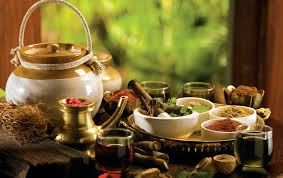 Karkkidakam is generally
known as the Panja Masam, the month of famine, because of the lack of
work during the peak of monsoon. Scripture from Ramayana will be recited
till the end of the month and people will abstain from entering into
any new ventures or holding auspicious functions during this month.
Hence it is also called Ramayanamasam.
The agricultural activities of
Kerala are centred around the seasons. The Southwest monsoon which
starts around June 1 is known as Edavappathi, meaning mid- Edavam. The
North east monsoon which starts during mid October is called
thulavarsham (rain in the month of thulam).
Karkkidakam is generally
known as the Panja Masam, the month of famine, because of the lack of
work during the peak of monsoon. Scripture from Ramayana will be recited
till the end of the month and people will abstain from entering into
any new ventures or holding auspicious functions during this month.
Hence it is also called Ramayanamasam.
The agricultural activities of
Kerala are centred around the seasons. The Southwest monsoon which
starts around June 1 is known as Edavappathi, meaning mid- Edavam. The
North east monsoon which starts during mid October is called
thulavarsham (rain in the month of thulam).

 കേരളത്തിന്റേതു
മാത്രമായ കാലഗണനാരീതിയാണ് കൊല്ലവർഷം, അതുകൊണ്ടുതന്നെ കൊല്ലവർഷം മലയാള
വർഷം എന്നും അറിയപ്പെടുന്നു. എ.ഡി. 825-ൽ ആണ് കൊല്ലവർഷത്തിന്റെ തുടക്കം.
ഭാരതത്തിലെ മറ്റു പഞ്ചാംഗങ്ങൾ സൗരവർഷത്തെയും ചാന്ദ്രമാസത്തെയും
അടിസ്ഥാനമാക്കി കാലനിർണ്ണയം ചെയ്തപ്പോൾ, കൊല്ലവർഷപ്പഞ്ചാംഗം സൗരവർഷത്തെയും
സൗരമാസത്തെയും ഉപയോഗിച്ചു. വേണാട്ടിലെ രാജാവായിരുന്ന ഉദയ മാർത്താണ്ഡ
വർമ്മയാണ് കൊല്ലവർഷം തുടങ്ങിയതെന്ന് വിശ്വസിക്കപ്പെടുന്നു. ചിങ്ങം, കന്നി
തുടങ്ങി 12 മലയാള മാസങ്ങളാണ് ഉള്ളത്.
കേരളത്തിന്റേതു
മാത്രമായ കാലഗണനാരീതിയാണ് കൊല്ലവർഷം, അതുകൊണ്ടുതന്നെ കൊല്ലവർഷം മലയാള
വർഷം എന്നും അറിയപ്പെടുന്നു. എ.ഡി. 825-ൽ ആണ് കൊല്ലവർഷത്തിന്റെ തുടക്കം.
ഭാരതത്തിലെ മറ്റു പഞ്ചാംഗങ്ങൾ സൗരവർഷത്തെയും ചാന്ദ്രമാസത്തെയും
അടിസ്ഥാനമാക്കി കാലനിർണ്ണയം ചെയ്തപ്പോൾ, കൊല്ലവർഷപ്പഞ്ചാംഗം സൗരവർഷത്തെയും
സൗരമാസത്തെയും ഉപയോഗിച്ചു. വേണാട്ടിലെ രാജാവായിരുന്ന ഉദയ മാർത്താണ്ഡ
വർമ്മയാണ് കൊല്ലവർഷം തുടങ്ങിയതെന്ന് വിശ്വസിക്കപ്പെടുന്നു. ചിങ്ങം, കന്നി
തുടങ്ങി 12 മലയാള മാസങ്ങളാണ് ഉള്ളത്.

 Malayalam Calender came to be called 'Kolla Varsham' after the town of Kollam(Quilon) which was the capital the Kingdom
of Venad. The city, also a major coastal town, a significant
industrial and commercial trading center. Kollam has been described
in history as one of the finest Cities in Malabar.
Malayalam Calender came to be called 'Kolla Varsham' after the town of Kollam(Quilon) which was the capital the Kingdom
of Venad. The city, also a major coastal town, a significant
industrial and commercial trading center. Kollam has been described
in history as one of the finest Cities in Malabar.

 Like the months above, there are twenty seven stars starting from Aswati
(Ashvinī in Sanskrit) and ending in Revatī. The 365 days of the year
are divided into groups of fourteen days called Nhattuvela, each one bearing the name of a star.
Like the months above, there are twenty seven stars starting from Aswati
(Ashvinī in Sanskrit) and ending in Revatī. The 365 days of the year
are divided into groups of fourteen days called Nhattuvela, each one bearing the name of a star.
 According to Indian Astrology there are 27 Nakshatras
or stars in the zodiac belt. The ecliptic is divided into 27
nakshatras, which are variously called lunar houses or asterisms. The
zodiac comprises of 360 degrees. Therefore, the value of each
constellation is 13 degrees and 20 minutes when measured from the fixed
initial point. These 27 Nakshatras(stars) complete the entire circle of
360 degrees of the zodiac. These reflect the moon's cycle against the
fixed stars, 27 days ,7 hours and 45 minutes. Nakshatra computation
appears to have been well known at the time of the Rig Veda.
According to Indian Astrology there are 27 Nakshatras
or stars in the zodiac belt. The ecliptic is divided into 27
nakshatras, which are variously called lunar houses or asterisms. The
zodiac comprises of 360 degrees. Therefore, the value of each
constellation is 13 degrees and 20 minutes when measured from the fixed
initial point. These 27 Nakshatras(stars) complete the entire circle of
360 degrees of the zodiac. These reflect the moon's cycle against the
fixed stars, 27 days ,7 hours and 45 minutes. Nakshatra computation
appears to have been well known at the time of the Rig Veda.
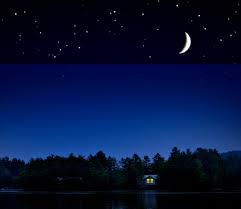
The starting point for this division is the point on the ecliptic directly opposite to the star Spica called Chithra in Sanskrit. (Other slightly-different definitions exist.) It is called Meshaadi or the "start of Aries". The ecliptic is divided into the nakshatras eastwards starting from this point. Note that nakshatra-s are (in this context) not just single stars but are segments on the ecliptic characterised by one or more stars. Hence you will find many stars mentioned for one nakshatra. An additional 28th intercalary nakshatra, Abhijit (alpha, epsilon and zeta Lyrae - Vega - between Uttarasharha and Sravana), is in between Uttarashada and Sravana. Last two (third and fourth) Padas of Uttrashada and first two (first and second) Padas of Sravana are considered to be Abhijith. The nakshatra in which the moon lies at the time of sunrise of a day is the nakshatra for the day.
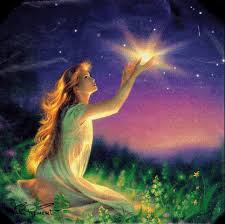 Comparative table showing corresponding names of 27 Nakshatras in the zodiac belt
 The (anticlockwise) angular distance between the sun
and moon as measured from the earth along the ecliptic (circle on the
sky in which the sun, moon and planets seem to move) can vary between 0
and 360 degrees. This is divided into 30 parts. The time spent by the
moon in each of these parts is called one tithi. The month has two
pakshas or fortnights.
The (anticlockwise) angular distance between the sun
and moon as measured from the earth along the ecliptic (circle on the
sky in which the sun, moon and planets seem to move) can vary between 0
and 360 degrees. This is divided into 30 parts. The time spent by the
moon in each of these parts is called one tithi. The month has two
pakshas or fortnights.
 The first 15 tithis constitute the bright
fortnight or shukla paksha - the waxing phase and the next 15 tithi-s
constitute the dark fortnight or krishna paksha - the waning phase.
Tithi-s are indicated by their paksha and ordinal number within the
paksha. In a given lunar month, there are essentially 30 tithis. The
15th tithi of the bright fortnight (full moon) is called Paurnami or
Poornima and the 15th tithi of the dark fortnight (new moon) is called
Amavasi. The tithi in which the moon is at the time of sunrise of a day
is taken to be the tithi for the day.
The first 15 tithis constitute the bright
fortnight or shukla paksha - the waxing phase and the next 15 tithi-s
constitute the dark fortnight or krishna paksha - the waning phase.
Tithi-s are indicated by their paksha and ordinal number within the
paksha. In a given lunar month, there are essentially 30 tithis. The
15th tithi of the bright fortnight (full moon) is called Paurnami or
Poornima and the 15th tithi of the dark fortnight (new moon) is called
Amavasi. The tithi in which the moon is at the time of sunrise of a day
is taken to be the tithi for the day.
 ഞാറ്റുവേല - Njattuvela
 The 365 days of the year are divided into groups of
fourteen days called Njattuvela, each one bearing the name of a star.
Thus there are 27 Njattuvelas from Aswathy Njattuvela to Revathy
Njattuvela. Njattuvela means Njayarinte Nila or position of sun. The
first Njattuvela is Aswathy Njattuvela and it begins on Medam 1 or Vishu
day(April 14 or 15). In Thiruvathira Njattuvela rain will come down
without a break.
The 365 days of the year are divided into groups of
fourteen days called Njattuvela, each one bearing the name of a star.
Thus there are 27 Njattuvelas from Aswathy Njattuvela to Revathy
Njattuvela. Njattuvela means Njayarinte Nila or position of sun. The
first Njattuvela is Aswathy Njattuvela and it begins on Medam 1 or Vishu
day(April 14 or 15). In Thiruvathira Njattuvela rain will come down
without a break.
പുതുവത്സരം സമാഗതമായി. ഒരുപാട് പ്രതീക്ഷകളായി പുതു വര്ഷത്തെ
വരവേല്ക്കാന് മലയാളികള് ഒരുങ്ങുകയായി. നഷ്ടപ്പെടലുകളുടെയും
കൂടിച്ചേരലുകളുടെയും പോയ വര്ഷം. നാം ഓരോരുത്തര്ക്കും നന്മകളും സന്തോഷവും
നല്കിയ വര്ഷം. പലര്ക്കും കുടുംബത്തില് പുതു അംഗങ്ങള് പിറന്ന വര്ഷം
അതുപോലെ നമ്മുടെ ഉറ്റവര് വിട്ടുപിരിഞ്ഞ നിമിഷം.

ലോകത്തുള്ള എല്ലാ മലയാളികള്ക്കും ഐശ്വര്യത്തിന്റെയും സമൃദ്ധിയുടെയും ഒരു പുതുവര്ഷം ആശംസിക്കുന്നു ലോക ജനതയുടെ നന്മക്കായി പ്രാര്ത്ഥിക്കുന്നു .
കൊല്ലവർഷത്തിലെ പ്രഥമ മാസമാണ് ചിങ്ങം.സൂര്യൻ ചിങ്ങം രാശിയിലൂടെ സഞ്ചരിക്കുന്ന സമയമാണ് ചിങ്ങമാസം. മലയാളികളുടെ പ്രിയങ്കരമായ ഉത്സവമായ ഓണം ചിങ്ങമാസക്കാലത്താണ്. മാസങ്ങൾക്ക് പേരു കൊടുത്തിരിക്കുന്നത് നക്ഷത്രരാശികൾക്ക് അനുസരിച്ചാണ്. സിംഹം എന്ന പദം ലോപിച്ചുണ്ടായ ചിങ്ങം സിംഹത്തിന്റെ രൂപത്തിലുള്ള ലിയോ എന്ന നക്ഷത്രഘടനയെ സൂചിപ്പിക്കുന്നു. തമിഴ് മാസങ്ങളായ ആവണി-പൂരട്ടാശി എന്നിവ ചിങ്ങമാസ സമയത്താണ്. ഓഗസ്റ്റ് - സെപ്റ്റംബർ മാസങ്ങളിലായി ആണ് മലയാളമാസമായ ചിങ്ങം വരിക.
പൊന്നോണ മാസം എന്നതിന് ഉപരി ഇപ്പോള് ചിങ്ങം മലയാള ഭാഷാ മാസവും കൂടിയാണ്. ചിങ്ങം ഒന്ന് കര്ഷക ദിനം കൂടിയാണ്. മലയാളിയ്ക്ക് അന്യമായിക്കൊണ്ടിരിയ്ക്കുന്ന കൊയ്താണ് ചിങ്ങമാസത്തിലെ പ്രധാന വിശേഷം. പാടത്ത് വിളഞ്ഞ പൊന്കതിര് വീട്ടിലെത്തിച്ച് അറകളും പത്തായങ്ങളും നിറയ്ക്കുന്ന സമ്പന്നതയുടെ മാസം.
But now Chingam 1 (around August 15) is
celebrated as the new year day. The month Chingam starts in the mid
August corressponds to harvest and Onam festival is celebrated in this
month. The last month of Malayam Calendar Karkkidakam
corresponds the month when the South west monsoon is active. This month
is also considered to be bad time as in olden days rains used to bring
diseases and damages to lives and property.
The two harvests of paddy
are called Kannikkoythu and Makarakkoythu (harvest in the month kanni
and makaram) respectively. The Makaravilakku festival is celebrated in
the Ayyappa Temple at Sabarimala on the 1st day of month Makaram.
മലയാള മാസം (Month)
The Malayalam months are named after the Signs of the Zodiac. Thus Cingam (from Simham or Lion) is named after the constellation Leo and so on. The following are the months of the astronomical Malayalam calendar:| Months in Malayalam Era | In Malayalam | Gregorian Calendar | Tamil calendar | Saka era | Sign of Zodiac |
|---|---|---|---|---|---|
| Chingam | ചിങ്ങം | August–September | Aavani | Sravan–Bhadrapada | Leo |
| Kanni | കന്നി | September–October | Purattasi | Bhadrapada–Asvina | Virgo |
| Tulam | തുലാം | October–November | Aippasi | Asvina–Kartika | Libra |
| Vrscikam | വൃശ്ചികം | November–December | Karthigai | Kartika–Agrahayana | Scorpio |
| Dhanu | ധനു | December–January | Margazhi | Agrahayana–Pausa | Sagittarius |
| Makaram | മകരം | January–February | Thai | Pausa–Magha | Capricon |
| Kumbham | കുംഭം | February–March | Maasi | Magha–Phalguna | Aquarius |
| Minam | മീനം | March–April | Panguni | Phalguna–Chaitra | Pisces |
| Medam | മേടം | April–May | Chithirai | Chaitra– Vaisakha | Aries |
| Edavam (Idavam) | ഇടവം | May–June | Vaikasi | Vaisakha–Jyaistha | Taurus |
| Mithunam | മിഥുനം | June–July | Aani | Jyaistha–Asada | Gemini |
| Karkadakam | കര്ക്കടകം | July–August | Aadi | Asada–Sravana | Cancer |
Azhca ആഴ്ച - Week
The days of the week in the Malayalam calendar are suffixed with Azhca (ആഴ്ച - week).| Malayalam | മലയാളം | English | Kannada | Tamil | Hindi | |
|---|---|---|---|---|---|---|
| Njayar | ഞായര് | Sunday | Bhanuvara | Nyaayiru | Ravivar | |
| Thinkal | തിങ്കള് | Monday | Somavara | Thinkal | Somvar | |
| Chowva | ചൊവ്വ | Tuesday | Mangalavara | Chevvai | Mangalvar | |
| Budhan | ബുധന് | Wednesday | Budhavara | Budhan | Budhvar | |
| Vyazham | വ്യാഴം | Thursday | Guruvara | Vyazhan | Guruvar | |
| Velli | വെള്ളി | Friday | Shukravara | Velli | Sukravar | |
| Shani | ശനി | Saturday | Shanivara | Sani | Shanivar |
നക്ഷത്രം Nakshathra - 27 Stars
The starting point for this division is the point on the ecliptic directly opposite to the star Spica called Chithra in Sanskrit. (Other slightly-different definitions exist.) It is called Meshaadi or the "start of Aries". The ecliptic is divided into the nakshatras eastwards starting from this point. Note that nakshatra-s are (in this context) not just single stars but are segments on the ecliptic characterised by one or more stars. Hence you will find many stars mentioned for one nakshatra. An additional 28th intercalary nakshatra, Abhijit (alpha, epsilon and zeta Lyrae - Vega - between Uttarasharha and Sravana), is in between Uttarashada and Sravana. Last two (third and fourth) Padas of Uttrashada and first two (first and second) Padas of Sravana are considered to be Abhijith. The nakshatra in which the moon lies at the time of sunrise of a day is the nakshatra for the day.
| Malayalam | Sanskrit | Tamil | Name of Constellation | Meaning of the name |
| Ashwathi | Ashwini | Ashwathi | Beta Arietis | Horseman |
| Bharani | Bharani | Bharani | 41 Arietis | The Bearer |
| Karthika | Krittika | Karthigai | Eta Tauri | Perspiring |
| Rohini | Rohini | Rohini | Alpha Tauri | The Red One |
| Makayiram | Mrigashira | Mrigasheersham | Lamda Orionis | Deer's Head |
| Thiruvathira | Ardra | Thiruvaathirai | Alpha Orionis | Moist |
| Punartham | Punarvasu | Punarpoosam | Beta Geminorum | Good Again |
| Pooyam | Pushya | Poosam | Delta Cancri | Nourishing |
| Aayilyam | Ashlesha | Aayilyam | Alpha Cancri | The entwiner |
| Makam | Magha | Makam | Alpha Leonis | The Mighty One |
| Pooram | Poorvaphalguni | Pooram | Delta Leonis | The Fig Tree |
| Uthram | Uttaraphalguni | Uthiram | Beta Leonis | The latter red one |
| Atham | Hastha | Hastham | Delta Corvi | Hand |
| Chithira | Chithra | Chithirai | Alpha Virginis | Brilliant |
| Chothi | Swathi | Swathi | Alpha Bootis | The lead goat in a herd |
| Vishakham | Vishakha | Visaakham | Beta Librae | Forked Branch |
| Anizham | Anuradha | Anusham | Delta Scorpi | Success |
| Thrikketta | Jyeshtha | Kettai | Alpha Scorpi | Eldest |
| Moolam | Moola | Moolam | Lamda Scorpi | The Root |
| Pooradam | Poorva ashadha | Pooraadam | Delta Sagittari | The Former Unsubdued |
| Uthradam | Uttarashadha | Uthiraadam | Delta Sagittari | The Latter Unsubdued |
| Thiruvonam | Shravana | Thiruvonam | Alpha Aquilae | Ear of Hearing |
| Avittam | Dhanistha | Avittam | Alpha Delphini | Wealth |
| Chathayam | Shatabhishaj | Chathayam | Lamda Aquari | 100 Physicians |
| Poororuttathy | Poorva bhadrapada | Poorattathi | Alpha Pegasi | Former Beautiful Foot |
| Uthruttathy | Uttara bhadrapada | Uthirattathi | Alpha Andromeda | Latter Beautiful Foot |
| Revathy | Revathy | Revathy | Zeta Piscium | Wealthy |
തിഥി - Tithi
30 Tithies and 2 Pakshams
| Tithi | Paksham |
| Amavasi(new moon day) | Krishna |
| Prathipadam(Pradhama) | Krishna |
| Dwitheeya | Krishna |
| Trutheeya | Krishna |
| Chathurthi | Krishna |
| Panchami | Krishna |
| Shashti | Krishna |
| Sapthami | Krishna |
| Ashtami | Krishna |
| Navami | Krishna |
| Dasami | Krishna |
| Ekadasi | Krishna |
| Dwadasi | Krishna |
| Tryodasi | Krishna |
| Chaturdasi | Krishna |
| Pournami(full moon day) | Shukla |
| Prathipadam(Pradhama) | Shukla |
| Dwitheeya | Shukla |
| Trutheeya | Shukla |
| Chathurthi | Shukla |
| Panchami | Shukla |
| Shashti | Shukla |
| Sapthami | Shukla |
| Ashtami | Shukla |
| Navami | Shukla |
| Dasami | Shukla |
| Ekadasi | Shukla |
| Dwadasi | Shukla |
| Tryodasi | Shukla |
| Chaturdasi | Shukla |
ലോകത്തുള്ള എല്ലാ മലയാളികള്ക്കും ഐശ്വര്യത്തിന്റെയും സമൃദ്ധിയുടെയും ഒരു പുതുവര്ഷം ആശംസിക്കുന്നു ലോക ജനതയുടെ നന്മക്കായി പ്രാര്ത്ഥിക്കുന്നു .
2014 ലെ മലയാളം കലണ്ടര് (ദീപിക കലണ്ടര്) താല്പര്യമുള്ളവര്ക്ക് കലണ്ടര് ഇവിടെ നിന്ന് ഡൌണ്ലോഡ് ചെയ്തെടുക്കാവുന്നതാണ്.
Related Stories about Kerla New Year Chingam 1
Chingam 1 Malayalam Calender New Year | Chinga Masam First Month
Chinga Masam - Beginning of Harvest Festival Season in Kerala
Subscribe to:
Posts (Atom)

Popular Posts
-
November 1 Kerala Piravi, കേരള പിറവി, marks the birth of the state of Kerala, India . The state of Kerala was created on November 1, ...
-
 Navratri is one of the very famous Festival of Hindus. It is dedicated to the worship of Goddess Durga, the deity of Power. Navratri Fes...
 -
വറുതികള്ക്ക് വിട ചൊല്ലി ചിങ്ങ പൊന് പുലരി ആഗതമായ്. ഐശ്വര്യവും സമ്പല് സമൃദ്ധിയും നിറഞ്ഞ ഒരു പുതുവര്ഷത്തെ വരവേല്ക്കാന് മലയാളികള് ഒ...
-
Krishna Janmashtami, कृष्ण जन्माष्टमी, kṛṣṇa janmāṣṭami, also known as Krishnashtami, Saatam Aatham, Gokulashtami, Ashtami Rohini, Srikr...
-
 Swamy Ayyappan, അയ്യപ്പന്, Sastavu or Sasta is a Hindu deity worshiped in a number of shrines across India. Ayyappan is believed to be ...
 -
 Vishu വിഷു is an important Kerala festival celebrated in the month of "Medam" and a Hindu festival in the Indian state of Ke...
 -
 ഹിജ്റ വർഷം ശവ്വാൽ മാസത്തിലെ ആദ്യ ദിവസമുള്ള ലോക മുസ്ലീംകളുടെ ആഘോഷമാണ് ഈദുൽ ഫിത്ർ അഥവാ ചെറിയ പെരുന്നാൾ . റമദാൻ വ്രതമനുഷ്ഠാനത്തിന്റെ പരിസമാ...
 -
 Vishu, വിഷു is a Hindu festival celebrated in Kerala, India. It is an important festival in Kerala and it marks the beginning of the Ne...
 -
 Chinga Masam 2010 - Beginning of Harveset Fesetival Season in Kerala Chinga Masam is the first month in a traditional Malayalam calendar fol...
 -
Uthradom , ഉത്രാടം, is the ninth and the penultimate day of the festival of Onam. It is considered as Onam eve and celebrated in...


