

 Posts
Posts


Showing posts with label hindu temples. Show all posts
Showing posts with label hindu temples. Show all posts
Swamiye Saranam Ayyappa - Sabarimala Pilgrimage Wishes News Wallpaper

Swamy Ayyappan, അയ്യപ്പന്, Sastavu or Sasta is a Hindu deity worshiped in a number of shrines across India. Ayyappan is believed to be an incarnation of Dharma Sasta, who is the offspring of Shiva and Vishnu (as Mohini, is the only female avatar of the God Vishnu ) and is generally depicted in a yogic posture, wearing a bell around his neck, hence named Manikantan. Ayyappan may bear a historical relationship to the tutelary deity Aiyanar in Tamil Nadu.
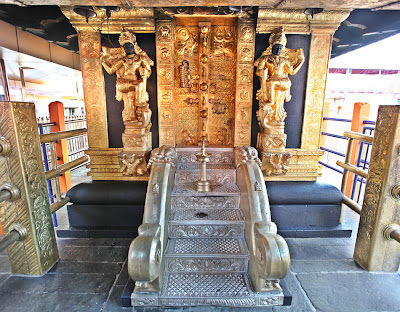
Swamy Ayyappan's annual festival is a time of pilgrimage for ever-growing numbers of men from throughout South India. The most prominent and famous Ayyappan shrine is the one at Sabarimala, in the hills of Pathanamthitta in Kerala, with over 30 million devotees visiting it every year,making it one of the largest pilgrimage sites in the world.

Ayyappa is known as "Hariharasuta" because he is the son of Hari (Vishnu), the saviour and Hara (Shiva), the destroyer. His most common name is "Manikanta" because when the king Rajasekara Pandiya of Pandalam found little Ayyappan in a forest, there was a "mani" (bell) tied around his neck. As Dharma Sastha, many of them consider him to be born out of the union between Mohini (an avatar of Vishnu) and Shiva.

Sabarimala is a Hindu pilgrimage center located in the Western Ghat mountain ranges of Pathanamthitta District in Kerala. It is the largest annual pilgrimage in world with an estimated 45–50 million devotees visiting every year. Sabarimala is believed to be the place where the Hindu God Ayyappan meditated after killing the powerful demoness, Mahishi. Ayyappan's temple is situated here amidst 18 hills. The temple is situated on a hilltop at an altitude of 468 m (1535 ft) above mean sea level, and is surrounded by mountains and dense forests. Temples exist in each of the hills surrounding Sabarimala. While functional and intact temples exist at many places in the surrounding areas like Nilackal, Kalaketi, and Karimala, remnants of old temples survive to this day on remaining hills.

Sabarimala is linked to Hindu pilgrimage, predominantly for men of all ages.You can identify a Sabarimala pilgrim easily as they wear black or blue dress.They do not shave till the completion of pilgrimage and smear Vibhuti or Sandal paste on their forehead.Women between the ages of 10 and 50 are not allowed to enter the temple, since the story attributed to Ayyappa prohibits the entry of the women in the menstrual age group. This is because Ayyappan is a Bramachari (Celibate). The temple is open for worship only during the days of Mandalapooja (approximately November 15 to December 26), Makaravilakku (January 14 "Makara Sankranti") and Vishu (April 14), and the first six days of each Malayalam month.

The important message given at the temple is the ultimate knowledge that each individual is a God unto himself/herself, Tat Tvam Asi in Sanskrit meaning "That is you". Due to this pilgrims call each other Swami. Tat Tvam Asi, meaning "That Thou Art" is the message that is given out by the Lord. It means, in short, you are part of the Universal Soul (in Sanskrit "Paramatma") which is the quintessence of Advaita philosophy. It also means for reaching Paramatma or Universal Soul. this mahavakya suggested by swami chinnmayananda(1916–1993) in end of 70's

The devotees are expected to follow a vratham of 41 days penance prior to the pilgrimage. This begins with wearing of a special Mala, a garland made of Rudraksha or Tulasi beads. In general from then they are to refrain from non-vegetarian food of any kind, except dairy, alcohol, and tobacco, engaging in sex, using foul language, hair-cuts and shaving. They are expected to bath twice and visit the local temples regularly and only wear plain black or blue coloured traditional clothing. Saffron colored dresses are worn by Sanysis (monks) who have renunciated material life. But,many devotees still continue to wear saffron colored clothes which are against vedic scriptures due to ignorance.

Thousands of devotees still follow the traditional mountainous forest path, approximately 52 km, from Erumely, believed to be taken by Ayyappa himself. The part starts from Erumely to Aludha river, then crosses the Aludha mountain to reach Karivilam thodu. Now comes the sacred Karimala crossing, from there to Cheriyanavattom, Valliyanavattom and finally Pamba River. Then have claim neeleemala and we enter into the ganesh bettam, shreeram betta padam. Aranmula kottaram is one of the halt place of holy journey 'thiruvabharana khosayatra'. But many people use vehicular traffic which can go till the Holy Pamba River by an alternate road. Thereafter, all the pilgrims have to follow a mountainous forest trekking path approximately four kilometers up a steep hill, Neeli Mala, to Sabarimala. This path, now developed, with shops and medical aid by the sides, used to be a mere trail through dense forest.

ശബരിമല ധർമ്മശാസ്താക്ഷേത്രം, Sabarimala, சபரிமலை, सबरिमलय, శబరిమల, ಶಬರಿಮಲೈ, ഇന്ത്യയിലെ പ്രശസ്തമായ തീർത്ഥാടന കേന്ദ്രങ്ങളിൽ ഒന്നാണ് ശാസ്താവാണ് പ്രധാന മൂർത്തി. കേരളത്തിൽ പത്തനംതിട്ട ജില്ലയിൽ പശ്ചിമഘട്ടത്തിന്റെ ഭാഗമായ ശബരിമലയിൽ ആണ് ക്ഷേത്രം സ്ഥിതി ചെയ്യുന്നത്. ദക്ഷിണേന്ത്യയിൽ വച്ച് തീർത്ഥാടക സന്ദർശനത്തിൽ രണ്ടാം സ്ഥാനം ശബരിമലക്കുണ്ട്. മറ്റു ക്ഷേത്രങ്ങളിലെപ്പോലെ വർഷത്തിൽ എല്ലാദിവസവും ഇവിടെ പൂജയോ തീർത്ഥാടനമോ നടക്കുന്നില്ല. നവംബർ - ഡിസംബർ മാസങ്ങളിൽ മണ്ഡലക്കാലം എന്നറിയപ്പെടുന്ന 41 ദിവസങ്ങളാണ് ശബരിമലയിലെ പ്രധാന തീർത്ഥാടനകാലയളവ്. ഇതിനുപുറമേ എല്ലാ മലയാളമാസങ്ങളിലേയും ആദ്യത്തെ അഞ്ചുദിവസങ്ങളിലും സന്ദർശനമനുവദിക്കുന്നു.

Incredible India - Major Tourism Destinations Pictures

A boat house on the backwaters of Kumarakom, Kerala.

Kumarakom is a popular tourism destination located near the city of Kottayam in Kerala, India, famous for its backwater tourism. It is set in the backdrop of the Vembanad Lake which is the largest freshwater lake in the state of Kerala. It is 16 KM away from Kottayam City.
Boats and Kumarakom Boat Race

Kumarakom has a wide variety of houseboats and is well known throughout the world for houseboat experience. They are used only for tourists these days. A separate boat known as Kettuvallam is used by the people to go fishing or to transport goods. Apart from these, there are elegant special boats like Kochu-odi Vallam, Odi-Vallam, Iruttukutthi Vallam, Churulan Vallam and Chundan Vallam(Snake Boat), which take part in the boat races around Onam time. The Kumarakom boat-race is conducted in the big canal in the centre near the market. There is a private sailing club in Kumarakom, located on the shore of the Vembanad lake.
Modes of access
One can access Kumarakom by many means:- By air: via Cochin International Airport approximately 80 kilometres (50 miles).
- By rail: via Kottayam
- By boat: From Muhamma (near Alappuzha) to Kumarakom Jetty.
- By road:(16 kilometres) Buses and taxis are easily available at all times of the day from Kottayam.


Gaganachukki Falls, Mandya, Karnataka.

Vellore fort, Tamil Nadu.

Taj Mahal, Agra.
The Laughing Buddha
The Laughing Buddha
The Laughing Buddha is one of the most popular symbols used by Feng Shui Consultants for enhancing the good luck and wealth. Laughing Buddha is also known as Happy Buddha or Matreiya. This Buddha is regarded as one of the gods of wealth and keeping this symbol at home is said to bring prosperity, happiness and success. Keeping this figurine at the place of business is said to enhance business and money luck. Laughing Buddha absorbs negative Chi and emanates positive energies. This is a very auspicious symbol and can be seen gracing many homes, temples, restaurants and vehicle dash boards. This is an excellent gift item for a loved one.
The celestial Buddha named Hotei or Pu-Tai is best known as the jolly Laughing Buddha. In China, he is known as the Loving or Friendly One. He is based on an eccentric Chinese Ch'an (Zen) monk who lived over 1,000 years ago and has become a significant part of Buddhist and Shinto culture. Because of this monk's benevolent nature, he came to be regarded as an incarnation of the bodhisattva who will be Maitreya (the Future Buddha). His large protruding stomach and jolly smile have given him the common designation "Laughing Buddha."
The Laughing Buddha's image graces many temples, restaurants, and amulets, as he has become a deity of contentment and abundance. The image of Hotei is almost always seen carrying a cloth or linen sack (that which never empties) which is filled with many precious items, including rice plants (indicating wealth), candy for children, food, or the woes of the world. He is patron of the weak, poor and children.

Laughing Buddha statues depict a stout, smiling or laughing bald man in robes with a largely exposed pot belly stomach, which symbolizes happiness, good luck, and plenitude. Some sculpture has small children at his feet. Another item that is usually seen with the Laughing Buddha figure is a begging bowl to represent his Buddhist nature.
In some scenes the Laughing Buddha may be found sitting on a cart drawn by boys, or wielding a fan called an oogi (said to be a "wish giving" fan -- in the distant past, this type of fan was used by the aristocracy to indicate to vassals that their requests would be granted). All of these images display Hotei as a wandering monk who goes around and takes the sadness from people of this world.
According to legend, if one rubs the Laughing Buddha's great belly, it brings forth wealth, good luck, and prosperity. Hotei is also referred to as the patron saint of restaurateurs, fortunetellers and bartenders. When one overeats or over drinks, friends jokingly attribute it to the Laughing Buddha's influence.

The Laughing Buddha figurine is seen with protruding stomach and jolly smile. He is usually depicted carrying wealth symbols such as pots of gold, large ingots and a sack believed to contain treasures. This Buddha is believed to be a person having extraordinary happiness, patience and compassion. It is said that he stomachs all the troubles and problems and transforms them into happiness. The Laughing Buddha is also considered a patron of the weak, poor and children. The Buddha figurines are available in several materials like metal, Tera Cota, resin, crystals etc and are available in different poses each of which carry a different significance.
When buying the Laughing Buddha figurines try getting a bigger one if possible. There are Buddha’s available in different poses but the one carrying pot of gold, large ingots or sack filled with treasures is considered the best for wealth luck. The ideal placement of the Buddha figurine is at about thirty inches in height and directly facing the main door or on a side table or corner table diagonally opposite to the front door and facing the door. It is said to be disrespectful to keep them it in the ground. Students can place the figurine on the study table for getting better results in studies. Keeping this Feng Shui Symbol on the Office or Reception table at the business place is said to bring in financial gains. This figurines need not be worshiped placement is good enough. However, many Feng shui experts’ advice not to keep the Laughing Buddha symbols in the bedroom, bathroom or dining area.
Khajuraho Temples - India's unique gift of love to the world
Khajuraho Temples - India's unique gift of love to the world

The Khajuraho Monuments (खजुराहो) are one of the most popular tourist destinations in India. Khajuraho has the largest group of medieval Hindu and Jain temples, famous for their erotic sculpture. Khajuraho is a town in the Indian state of Madhya Pradesh, located in Chhatarpur District, about 620 kilometres (385 mi) southeast of New Delhi. Khajuraho is a fascinating village with a quaint rural ambiance and a rich cultural heritage. The fascinating temples of Khajuraho, India's unique gift of love to the world, represent the expression of a highly matured civilization. In the 27th century of the Kali yuga, the Mlechcha invaders started attacking North India. Some Bargujar Rajputs moved eastward to central India; they ruled over the Northeastern region of Rajasthan, called Dhundhar, and were referred to as Dhundhel or Dhundhela in ancient times, for the region they governed. Later on they called themselves Bundelas and Chandelas; those who were in the ruling class having gotra Kashyap were definitely all Bargujars; they were vassals of Gurjara - Pratihara empire of North India, which lasted from 500 C.E. to 1300 C.E. and at its peak the major monuments were built. The Bargujars also built the Kalinjar fort and Neelkanth Mahadev temple, similar to one at Sariska National Park, and Baroli, being Shiva worshippers.

The city was the cultural capital of Chandela Rajputs, a Hindu dynasty that ruled this part of India from the 10-12th centuries. The political capital of the Chandelas was Kalinjar. The Khajuraho temples were built over a span of 200 years, from 950 to 1150. The Chandela capital was moved to Mahoba after this time, but Khajuraho continued to flourish for some time. Khajuraho has no forts because the Chandel Kings never lived in their cultural capital.
The whole area was enclosed by a wall with eight gates, each flanked by two golden palm trees. There were originally over 80 Hindu temples, of which only 25 now stand in a reasonable state of preservation, scattered over an area of about 20 square kilometres (8 sq mi).
Today, the temples serve as fine examples of Indian architectural styles that have gained popularity due to their explicit depiction of sexual life during medieval times. Locals living in the Khajuraho village always knew about and kept up the temples as best as they could. They were pointed out to an Englishman in late 19th century but the jungles had taken a toll on all the monuments.
Subscribe to:
Posts (Atom)

Popular Posts
-
November 1 Kerala Piravi, കേരള പിറവി, marks the birth of the state of Kerala, India . The state of Kerala was created on November 1, ...
-
 Navratri is one of the very famous Festival of Hindus. It is dedicated to the worship of Goddess Durga, the deity of Power. Navratri Fes...
 -
വറുതികള്ക്ക് വിട ചൊല്ലി ചിങ്ങ പൊന് പുലരി ആഗതമായ്. ഐശ്വര്യവും സമ്പല് സമൃദ്ധിയും നിറഞ്ഞ ഒരു പുതുവര്ഷത്തെ വരവേല്ക്കാന് മലയാളികള് ഒ...
-
Krishna Janmashtami, कृष्ण जन्माष्टमी, kṛṣṇa janmāṣṭami, also known as Krishnashtami, Saatam Aatham, Gokulashtami, Ashtami Rohini, Srikr...
-
 Swamy Ayyappan, അയ്യപ്പന്, Sastavu or Sasta is a Hindu deity worshiped in a number of shrines across India. Ayyappan is believed to be ...
 -
 Vishu വിഷു is an important Kerala festival celebrated in the month of "Medam" and a Hindu festival in the Indian state of Ke...
 -
 ഹിജ്റ വർഷം ശവ്വാൽ മാസത്തിലെ ആദ്യ ദിവസമുള്ള ലോക മുസ്ലീംകളുടെ ആഘോഷമാണ് ഈദുൽ ഫിത്ർ അഥവാ ചെറിയ പെരുന്നാൾ . റമദാൻ വ്രതമനുഷ്ഠാനത്തിന്റെ പരിസമാ...
 -
 Vishu, വിഷു is a Hindu festival celebrated in Kerala, India. It is an important festival in Kerala and it marks the beginning of the Ne...
 -
 Chinga Masam 2010 - Beginning of Harveset Fesetival Season in Kerala Chinga Masam is the first month in a traditional Malayalam calendar fol...
 -
Uthradom , ഉത്രാടം, is the ninth and the penultimate day of the festival of Onam. It is considered as Onam eve and celebrated in...


